
Fighting the Clock: How PE Teachers Can Win Back Time
Physical Education (PE) teachers are on the front lines of a critical battle – the fight for time. In a world increasingly prioritizing standardized tests and core academics, PE is often the first subject to see its minutes slashed, despite overwhelming evidence of its vital role in student health, well-being, and yes, even academic performance. This isn’t just about playing games; it’s about equipping students with the physical literacy and healthy habits they need for life. But how can PE teachers deliver quality instruction when the clock is their biggest opponent? The Squeeze is Real: Why PE Time is Shrinking The challenges facing PE time allocation are systemic and deeply rooted in educational priorities: These systemic barriers create a significant challenge for PE teachers striving to provide meaningful physical activity and instruction. Fighting Back: Evidence-Based Strategies to Maximize Every Minute Despite these constraints, innovative and strategic approaches can help PE teachers reclaim valuable instructional time and boost effectiveness: 1. Rethink Class Structure & Transitions: 2. Master Efficient Classroom Management: 3. Advocate for Systemic Change: 4. Innovate with Instructional Approaches: Every Minute Counts: The Path Forward The time constraints in physical education are significant, but they are not insurmountable. By implementing evidence-based strategies at the classroom level, advocating for necessary policy and structural changes, and embracing innovative instructional approaches, PE teachers can maximize their impact even within limited minutes. Investing in adequate time for physical education is an investment in the health, well-being, and academic success of our students. It’s time to stop squeezing PE and start recognizing its fundamental value in preparing students for a thriving future. Are you a PE teacher facing time constraints? What are your best strategies? Share in the comments below! Looking to fundraise? Visit WellPledge to start your campaign today! By embracing these new approaches to measuring success in PE, we can ensure that physical education remains a valuable and impactful part of every student’s educational journey, fostering lifelong healthy habits and positive attitudes towards physical activity. Need more information? Go to PhysednHealth or contact us at awesome@physednhealth.com. PhysednHealth is a leading physical education and student wellness technology platform designed to help schools modernize PE with smart, standards-based tools. Our easy-to-use physical education software empowers teachers to track student progress, set SMART fitness goals, and promote mental and physical well-being. Trusted by educators worldwide, PhysednHealth brings data-driven insights, AI-powered assessments, and personalized learning to PE programs—helping students build lifelong healthy habits.
How Top-Performing Education Systems Maintain Physical Education While Excelling Academically
The relationship between academic performance and physical education presents a paradox in global education systems. While the United States struggles to maintain physical education (PE) programs amid budget cuts and academic pressures, many top-performing countries in reading and mathematics have developed sophisticated approaches to integrate PE into their academic ecosystems. This report examines how nations ranking in the top 10 of the 2022 PISA assessments (Singapore, Macao, Chinese Taipei, Japan, Korea, Hong Kong, Estonia, Canada, Ireland, and Switzerland) structure their physical education frameworks compared to the United States, which ranks 18th in combined PISA scores1. The PISA Academic Hierarchy and Its Physical Education Counterparts Global Academic Leaders The 2022 PISA results reveal a distinct cluster of high performers: The United States ranks 18th with 489.3 points, scoring below all top 10 nations in mathematics (475 vs. Singapore’s 575) and science (499 vs. Singapore’s 561)1. Notably, seven of these top 10 countries (Singapore, Japan, Korea, Canada, Ireland, Estonia, and Switzerland) also rank among the top 20 nations in the U.S. News Best Countries report, suggesting a correlation between educational quality and national development priorities4. Policy Foundations for Physical Activity Top-performing nations share three critical policy approaches: For example, Japan’s Ministry of Education mandates 90 hours of annual PE instruction in elementary schools, increasing to 105 hours in junior high—a requirement that persists despite the country’s intense academic culture5. Singapore’s Ministry of Education (MOE) publishes detailed PE syllabi that blend movement competency with health literacy, requiring primary students to complete swimming proficiency by Grade 6 alongside standard PE hours3. China is aiming to beef up physical education in schools, making it core to the curriculum rather than a secondary subject Structural Differences in Physical Education Implementation Singapore: The Gold Standard Integration Singapore’s 2024 Physical Education Syllabus demonstrates how high-performing systems embed movement into academic success strategies: Three-Circle Framework The curriculum explicitly connects physical literacy to cognitive outcomes, stating: “A balanced PE curriculum strengthens students’ learning across disciplines by developing executive functioning skills through complex movement patterns”3. This aligns with Singapore’s top PISA ranking, where students average nearly 560 points despite dedicating 10-15% of school time to PE13. Japan: Cultural Philosophy Meets Policy Japan’s approach combines mandated standards with cultural values: Unlike the U.S. model that often isolates PE from academic subjects, Japanese schools use physical activities to reinforce mathematics (measuring athletic performance) and literature (analyzing traditional dances). This interdisciplinary approach may contribute to Japan’s consistent top-five PISA rankings since 200015. Switzerland: Wealth and Wellness Synergy Ranked #1 in Best Countries overall4, Switzerland demonstrates how resource allocation supports dual academic-physical excellence: Swiss students average 498 PISA points while maintaining Europe’s highest youth physical activity rates—a 72% daily participation rate versus 24% in U.S. adolescents14. The American Disconnect: Policy vs. Practice Statistical Contrasts Metric U.S. Average Top 10 Average Weekly PE Minutes 89 158 Certified PE Teachers 27% 92% PE Curriculum Standardization State-level National Systemic Challenges Japan’s education ministry provides a stark contrast, requiring all PE teachers to complete 300+ hours of subject-specific training compared to 46 hours in typical U.S. programs5. Neuroscience Meets Pedagogy: The Cognitive Advantage Emerging research explains why top education systems prioritize PE: Neuroplasticity Enhancement Metabolic Optimization These practices align with OECD findings that students averaging 60+ daily PE minutes score 28 points higher in PISA sciences—equivalent to half a school year’s progress1. Policy Recommendations for Systemic Change The evidence from top-performing nations suggests that physical education isn’t merely compatible with academic excellence—it’s a catalyst for it. As the United States grapples with stagnant PISA rankings, embracing the integrated models of Singapore, Japan, and Switzerland could provide the dual solution policymakers seek: healthier bodies and sharper minds135. Looking to fundraise? Visit WellPledge to start your campaign today! See how PhysednHealth can serve as a digital platform to connect with parents. Contact us at awesome@physednhealth.com! PhysednHealth is a leading physical education and student wellness technology platform designed to help schools modernize PE with smart, standards-based tools. Our easy-to-use physical education software empowers teachers to track student progress, set SMART fitness goals, and promote mental and physical well-being. Trusted by educators worldwide, PhysednHealth brings data-driven insights, AI-powered assessments, and personalized learning to PE programs—helping students build lifelong healthy habits.
Why Parents Underestimate PE Teachers (And How to Change It)
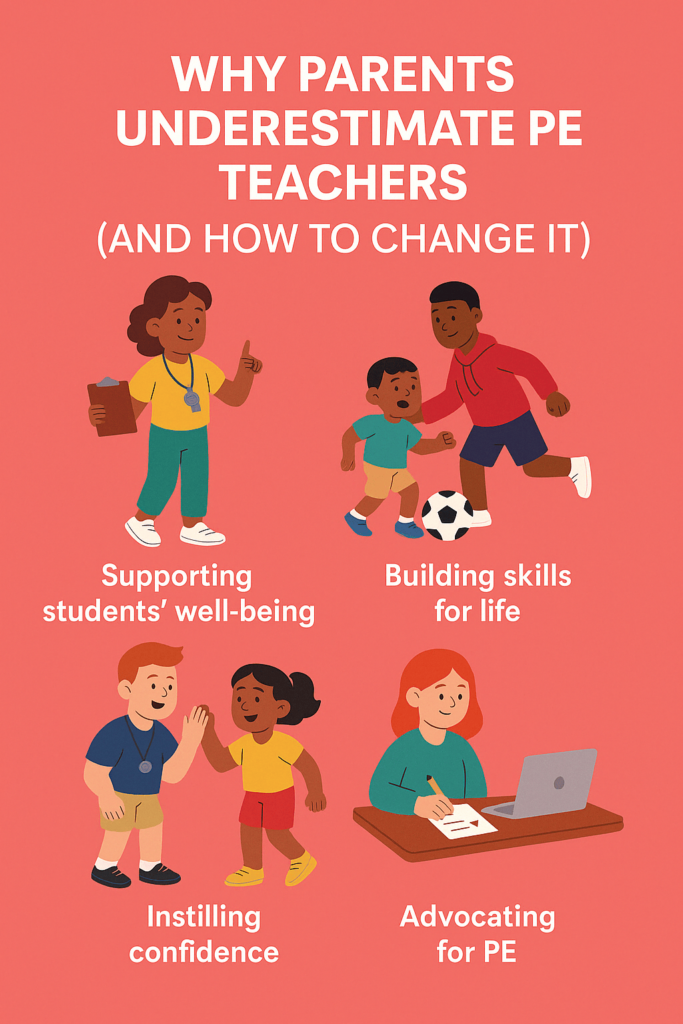
Transform your response to life’s challenges in just 10 minutes a day! Physical education (PE) isn’t just about running laps or playing dodgeball—it’s a critical part of a child’s development, shaping their physical health, social skills, and even academic performance. Yet, many parents don’t see PE teachers the same way they view math or science instructors. Research shows that: So, how can PE teachers change these perceptions and build stronger, more supportive relationships with parents? The Parent-PE Teacher Disconnect: What’s Really Going On? 1. Parents’ Own PE Experiences Shape Their Views Many adults remember PE as a stressful, competitive environment—where only the athletic kids thrived. If their own experiences were negative, they may assume little has changed. The Fix: 2. Lack of Visibility Into the PE Curriculum Unlike math or reading, PE doesn’t always send home worksheets or tests, making it harder for parents to see what their kids are learning. Read our article on Homework in PE The Fix: 3. The “PE Teachers Aren’t ‘Real’ Teachers” Myth Some parents assume PE teachers just blow whistles and supervise games, not realizing the science and pedagogy behind effective physical education. The Fix: 5 Proven Strategies to Improve Parent Engagement 1. Host a “PE Open House” Night Let parents experience a mini-PE class—try fun, low-pressure activities that demonstrate how PE builds confidence, motor skills, and cooperation. 2. Create a “Family Fitness Challenge” This reinforces that PE isn’t just a school subject—it’s a family lifestyle. 3. Share Student Success Stories Did a shy student gain confidence through PE? Did a child improve focus in class after active breaks? Parents love hearing real impact stories. 4. Partner with Classroom Teachers When math or science teachers reinforce PE’s benefits (e.g., “Movement breaks help concentration”), parents take notice. 5. Use Social Media Wisely The Big Payoff: Why Changing Perceptions Matters When parents value PE teachers, they: PE isn’t just about sports—it’s about shaping healthier, happier, more resilient kids. And when parents truly understand that, everyone wins. Final Thought: Small Shifts, Big Impact You don’t need to overhaul your program overnight. Start with one new communication strategy, invite parents in for one event, and watch perceptions—and engagement—grow. What’s one thing you’ll try this semester to connect with parents? Let us know in the comments! Looking to fundraise? Visit WellPledge to start your campaign today! See how PhysednHealth can serve as a digital platform to connect with parents. Contact us at awesome@physednhealth.com! PhysednHealth is a leading physical education and student wellness technology platform designed to help schools modernize PE with smart, standards-based tools. Our easy-to-use physical education software empowers teachers to track student progress, set SMART fitness goals, and promote mental and physical well-being. Trusted by educators worldwide, PhysednHealth brings data-driven insights, AI-powered assessments, and personalized learning to PE programs—helping students build lifelong healthy habits.
What Makes an Effective PE Teacher: A Student’s Perspective
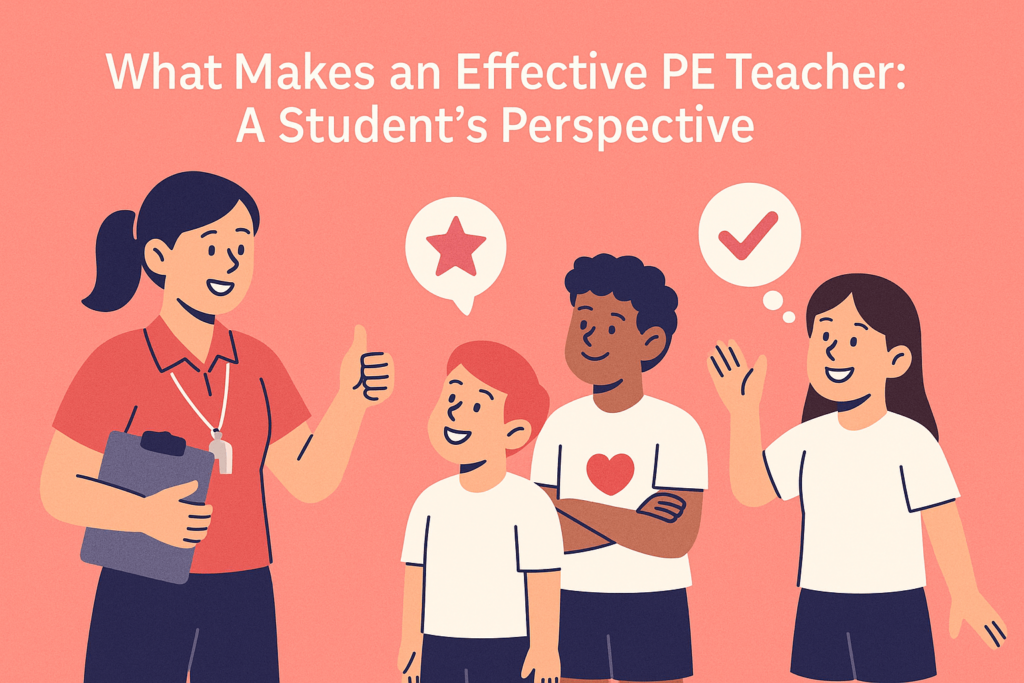
Transform your response to life’s challenges in just 10 minutes a day! Physical Education (PE) teachers play a crucial role in shaping students’ attitudes toward physical activity and their overall educational experience. Recent research indicates that 76.2% of students report feeling “seen” by their PE teachers, while 7.8% do not feel recognized, highlighting the significant impact teacher-student relationships have in this unique classroom environment1. Effective PE teachers create environments where students feel valued, supported, and motivated to participate regardless of athletic ability. This extends beyond simply teaching physical skills to building relationships, fostering inclusivity, and developing students’ confidence. The most successful PE teachers balance high expectations with empathy, recognizing that each student brings different abilities, challenges, and interests to the gymnasium floor. The Importance of Being “Seen” in Physical Education For students, few things matter more than feeling recognized and validated by their teachers. In the PE context, being “seen” encompasses several critical factors that significantly impact students’ experiences and engagement levels. Research has identified five key elements that contribute to students feeling acknowledged: receiving feedback from the teacher, experiencing teacher care, having good dialogue, participating in evaluation and goal setting, and having opportunities to display their skills1. These factors collectively form the foundation of effective student-teacher relationships in physical education. When students feel their teacher genuinely notices them, they report greater enjoyment and participation in class activities. The concept of being “seen” relates directly to students’ sense of belonging and support from their teachers—fundamental psychological needs that must be met for students to thrive academically and socially1. Nearly three-quarters of students report experiencing this positive recognition, but the fact that some students still feel invisible suggests room for improvement in PE teaching practices. The quality of teacher-student relationships significantly influences learning outcomes, with research demonstrating that students have stronger beliefs in their abilities and higher competence levels when experiencing emotional support from their teachers1. This highlights how critical these interpersonal connections are, particularly in a subject where vulnerability and physical performance are constantly on display before peers. The Qualities Students Appreciate in PE Teachers From a student perspective, certain teacher qualities consistently emerge as highly valued. Athletic ability ranks high among these traits, as students appreciate teachers who can effectively demonstrate proper form and technique2. This modeling provides visual learning opportunities and builds teacher credibility when students can observe their instructor successfully performing the activities they’re being asked to complete. Beyond physical capabilities, students value teachers who display genuine enthusiasm for both their subject and working with young people. Effective PE teachers bring energy and passion to their lessons, making physical activity appealing even to reluctant participants2. This enthusiasm proves contagious, often transforming students’ attitudes toward exercise and physical challenges. Communication skills rank among the most appreciated teacher qualities. Students value clear instructions, constructive feedback, and the ability to explain complex movements in accessible ways2. Effective PE teachers excel at both verbal guidance during activities and written communication that outlines expectations and provides resources for improvement. Perhaps most importantly, students deeply value teachers who demonstrate caring behaviors. This means showing interest in students as individuals, adapting activities to meet diverse needs, and creating emotionally safe environments1. Teachers who take time to learn about students’ interests, challenges, and goals outside of class build stronger connections that translate to higher engagement during PE. Common Student Complaints About PE Teachers Despite best intentions, PE teachers sometimes employ approaches that alienate or discourage students. Understanding these common complaints provides valuable insight into practices that should be avoided or modified to improve student experiences. One of the most frequent grievances involves teachers who adopt an overly aggressive, “drill sergeant” approach to instruction. A student testimony reveals the damaging impact of this teaching style: “She yells and pushes everyone around like a drill sergeant… she yelled at me and pushed me, even though I attempted to explain my disability again”3. This authoritarian approach creates anxiety, resentment, and often leads to student disengagement rather than motivation. Students also express frustration with PE teachers who fail to accommodate individual differences, particularly for those with disabilities or physical limitations. The experience of receiving lower grades due to physical limitations beyond their control—”I don’t run as quickly as my peers, my gait appears unusual, I struggle with balance”—represents a deeply discouraging pattern that undermines confidence and self-efficacy3. When teachers prioritize standardized performance over individual growth, students with diverse abilities feel marginalized. Public embarrassment represents another serious concern. Students report feeling humiliated when teachers call attention to their struggles in front of peers, creating lasting negative associations with physical activity3. This practice violates the trust essential to effective teaching relationships and can trigger anxiety or even meltdowns in sensitive students, as exemplified by the student who experienced overwhelming stress when publicly criticized for shifting weight to accommodate their disability3. Many students also express dissatisfaction with PE programs that emphasize competition over skill development and personal improvement. When teachers focus exclusively on performance outcomes rather than effort and progress, students who aren’t naturally athletic often disengage, missing opportunities to develop lifelong fitness habits and physical confidence. Strategies for Building Connection With Students Effective PE teachers employ specific strategies to forge meaningful connections with their students, creating environments where all learners feel valued and motivated to participate. These approaches transform traditional physical education from mere exercise into educational experiences that develop the whole student. Developing good dialogue represents a cornerstone strategy. Students highly value teachers who listen actively, communicate clearly, and remain approachable1. This involves creating opportunities for two-way communication, soliciting student input on activities, and responding thoughtfully to questions and concerns. As research indicates, “good communication with the teacher” consistently appears as a characteristic of positive student experiences1. Providing meaningful, constructive feedback represents another essential connection-building approach. Effective PE teachers offer specific guidance that highlights strengths while providing clear direction for improvement1. This feedback should be individualized and delivered privately when possible, focusing on effort and progress rather than comparison with peers. Creating opportunities for students to display their unique abilities significantly enhances connection. Research shows that when teachers structure activities that allow
Zero Hour PE: Transforming Academic Performance Through Pre-School Physical Activity
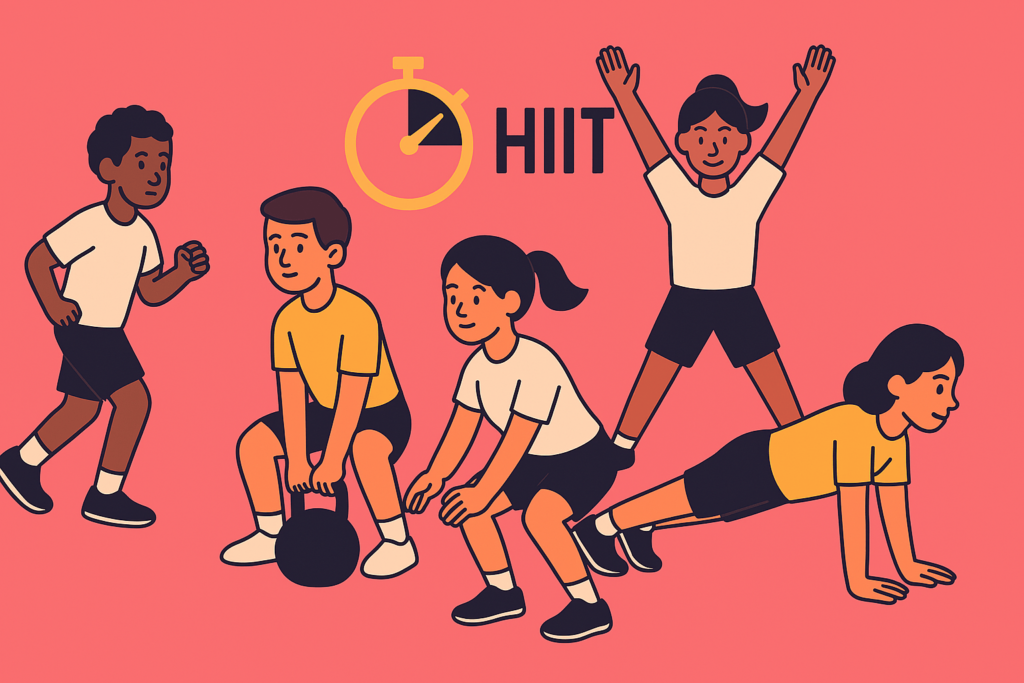
Transform your response to life’s challenges in just 10 minutes a day! The integration of physical activity into the school day has shown remarkable potential for enhancing both physical fitness and academic performance. A groundbreaking educational experiment called “Zero Hour PE” conducted in Naperville, Illinois has demonstrated extraordinary results by scheduling workout sessions before academic classes, transforming 19,000 students into some of the fittest and academically highest-performing students in the nation. This comprehensive analysis examines the Zero Hour PE program, its scientific basis, documented outcomes, and provides detailed strategies for schools and physical education teachers looking to implement similar approaches. The evidence clearly indicates that strategic implementation of high-intensity morning exercise programs can significantly improve cognitive function, academic performance, and student wellness with minimal additional resources. Understanding Zero Hour PE: Origins and Implementation Zero Hour PE originated in Naperville, a western suburb in Chicago, Illinois, as an innovative approach to physical education that fundamentally reconceptualized the role of exercise in academic success. Unlike traditional physical education classes that focus on sports and athletics, Zero Hour PE specifically targets fitness and personal improvement through early morning exercise. The Naperville Model The Zero Hour PE program implemented in Naperville scheduled workout sessions before regular classes using equipment such as treadmills, bikes, balls, and other fitness tools2. This timing is critical to the program’s effectiveness, as it allows students to experience the cognitive benefits of exercise immediately before engaging in academic work. In Naperville, the program transformed the approach to student performance by redirecting struggling students toward physical activity rather than additional study hours2. A distinctive feature of the Naperville model is its focus on self-improvement rather than competition against peers. Students are encouraged to compete against their own previous performance metrics, creating an environment where all students, regardless of natural athletic ability, can experience success and continued growth2. This philosophy removes the intimidation and social anxiety that traditional competitive physical education can create for less athletic students. Scientific Basis The efficacy of Zero Hour PE is grounded in neurobiological mechanisms. As explained by psychiatrist Dr. John Ratey in his book “Spark,” exercise increases the concentration of both dopamine and norepinephrine in the brain, creating effects similar to those of stimulant medications like Ritalin or Adderall2. Paul Zientarski, chairman of the Physical Education Department at Naperville, described the program’s intention as simply “jump starting their brain”2. The scientific rationale is further supported by research showing that when heart rate increases during exercise, the brain receives more oxygen, priming it for learning and information processing3. Dr. Ratey explains that during exercise, “All their brain cells are working. And when their brain cells work, they pour out neurotransmitters, they also pour out these brain growth factors which help our brain cells knit together”2. Documented Benefits and Evidence The implementation of Zero Hour PE in Naperville produced remarkable results across multiple domains of student performance and development, establishing a compelling case for its wider adoption. Academic Performance Improvements The most striking evidence of Zero Hour PE’s effectiveness came when Naperville students took the Trends in International Mathematics and Science Study (TIMSS), a test on which American students typically perform poorly compared to their Asian counterparts. An impressive 97% of Naperville’s 8th-grade students participated in the test, and the results were extraordinary: they finished just ahead of Singapore (ranked number one globally) in science and achieved sixth place globally in mathematics2. This exceptional academic performance has been consistently maintained, with Naperville High School ranking among the top 10 schools in Illinois despite spending less per student than other high schools in the district2. This demonstrates that Zero Hour PE offers an approach to academic excellence that is both effective and cost-efficient. Research-Backed Evidence Broader research on physical activity and academic performance supports the Naperville findings. Studies show that physical activity levels of 90+ minutes per week are associated with improved academic performance, particularly when performed at moderate to vigorous intensity4. Research indicates that the optimal duration for physical activity sessions is between 30-60 minutes4, aligning well with the typical length of a Zero Hour PE class. Importantly, high-intensity physical activity appears to be the most effective for improving academic outcomes, with studies consistently reporting positive effects4. This suggests that the higher-intensity approach used in Zero Hour PE is particularly well-suited for cognitive enhancement. Even modest increases in physical activity can yield measurable benefits. Research from North Carolina State University found that an increase of just one extra hour of physical activity per week produced a small but positive improvement of 0.06 in total GPA6. Cognitive and Behavioral Benefits Beyond standardized test scores, Zero Hour PE provides substantial benefits for cognitive functioning and behavior management. Exercise has been shown to positively affect all brain functions, including mood regulation, energy levels, learning capacity, and memory retention. These benefits extend to students with attention deficit disorders. As Dr. Ratey explains, “Exercise increases the concentration of both dopamine and norepinephrine, as well as other brain chemicals… It’s similar to taking a stimulant”. This natural stimulation of neurotransmitters helps students with ADD and ADHD concentrate better and engage more effectively with learning tasks. Implementation Strategies for Schools Implementing a Zero Hour PE program requires thoughtful planning and institutional commitment, but can be achieved with reasonable resources and adaptations to existing structures. Program Structure Development Schools interested in implementing Zero Hour PE should begin by structuring the program with these key elements: Administrative and Policy Considerations For successful implementation, schools should address several administrative considerations: Implementation Strategies for PE Teachers Physical education teachers are the frontline implementers of Zero Hour PE and must adapt their approaches to maximize the program’s effectiveness. Curriculum Design and Activity Selection Assessment and Motivation Approaches Creating an Inclusive Environment Addressing Potential Challenges Implementation of Zero Hour PE will inevitably face obstacles. Anticipating and planning for these challenges increases the likelihood of program success. Resource Constraints Many schools face limited budgets for equipment and facilities. To address this: Scheduling Conflicts Early morning scheduling presents logistical challenges for some students and staff: Measuring and Sustaining Impact Demonstrating
How Physical Education Improves Reading and Math Scores

How Physical Education Improves Reading and Math Scores Physical education is more than just movement—it’s a powerful academic tool. Research shows that well-structured physical education (PE) programs significantly boost student achievement in core subjects like reading and math. This article explores how physical education improves reading and math scores, the science behind it, and practical strategies for implementation in schools. The Science Behind Physical Education and Academic Success Numerous studies support the positive connection between physical activity and academic achievement. Students who regularly engage in physical activity demonstrate improved concentration, memory, self-esteem, and verbal skills. A 2023 study in Frontiers in Psychology found that students who exercised for two hours showed academic improvements of 3.249 standard deviations, highlighting a strong link between physical education and cognitive performance. Research also shows an inverted U-shaped relationship—moderate activity improves academic outcomes, while excessive activity (over three hours) can have diminishing returns. This balance is crucial in maximizing the benefits of PE for learning, particularly in reading and mathematics, where scores have declined nationally in recent years. The connection extends to both reading and mathematics. As reading scores continue to decline nationally, with NAEP reporting a two-point drop for both 4th and 8th graders in 2024, implementing effective physical education programs offers a promising strategy to address these concerning trends How Physical Education Enhances Brain Function Physical activity stimulates brain cell growth, increases blood flow, and releases hormones that optimize brain function(link). These physiological benefits translate to better working memory, attention span, and information processing speed—key skills for reading comprehension and mathematical reasoning. Gender-specific responses to physical activity also emerge in the research. Boys show the highest gains with around two hours of exercise, while girls benefit most from one hour, emphasizing the need for personalized, flexible PE programming. Strategies for Improving Reading through Physical Education Integrating Literacy into Movement Embedding literacy activities into PE lessons helps students develop reading skills in a dynamic context (link). Activities such as phonics relay races, vocabulary scavenger hunts, and storytelling yoga reinforce comprehension while keeping students physically active. Reciprocal teaching in PE—where peers guide and provide feedback—also boosts verbal communication and reading comprehension. Using Movement Breaks to Support Reading Focus Short physical activity breaks (3–5 minutes) before or during reading instruction have been shown to increase focus and retention, especially for struggling readers. Activities that cross the midline of the body enhance hemispheric integration in the brain, further supporting literacy development. Strategies for Strengthening Math Skills Through Physical Education Math-in-Motion Activities Integrating math into PE (link) makes abstract concepts tangible. Students can calculate heart rates, graph performance, or measure distances, providing practical applications for math skills. Activities that involve measuring, counting, or spatial awareness help reinforce numeracy and mathematical reasoning in real-world contexts. Structured Games to Reinforce Math Concepts Games that use geometry, symmetry, and estimation teach mathematical thinking through movement. Forming shapes with bodies, solving math challenges in relay races, or estimating then measuring distances are excellent ways to engage kinesthetic learners. Practical Implementation for Educators Designing High-Impact PE Programs Effective PE programs balance direct instruction (for skill introduction) with indirect methods (for creativity and student ownership). Aim for moderate-intensity activity sessions lasting up to two hours to optimize cognitive and academic gains. Use a mix of teaching styles (command, exploration, and reciprocal) to accommodate diverse learners (link). Classroom Integration of Physical Activity Even without a dedicated PE teacher, classroom educators can incorporate standing stations, movement-based transitions, and kinesthetic learning tasks. These methods boost engagement and cognitive functioning throughout the school day. Gaining Administrative Support for PE Initiatives Presenting Research-Backed Results To gain administrative buy-in, present data demonstrating how physical education improves reading and math scores. Use specific statistics—like the 3.249 standard deviation improvement from two hours of physical activity—as evidence. Highlight that physical education is a cost-effective strategy that supports health, academics, behavior, and attendance. Collaborating for Sustainable Programs Form teams that include PE teachers, classroom educators, administrators, and parents to design and refine programs. Offer professional development and establish metrics to track academic and physical outcomes. This collaborative approach ensures long-term success. Optimizing PE Time for Maximum Academic Impact Identifying the Sweet Spot Two hours of moderate physical activity appears to yield the greatest academic benefits. For girls, one hour may suffice, while boys benefit more from two. Tailoring PE offerings based on these findings ensures each student receives the optimal amount of exercise to support their learning. Prioritizing Quality Over Quantity Incorporate activities that engage cognitive processes such as decision-making, pattern recognition, and strategy. Moderate-to-vigorous intensity sessions are best, but accessibility for all students must be maintained. Directly linking PE content to classroom learning strengthens knowledge transfer. Enhancing Learning Through Reflection and Goal Setting Student Journaling in PE Encouraging students to reflect on their physical experiences through journaling enhances comprehension and critical thinking. Prompts like “What strategy did you use?” or “How can you apply this in class?” support metacognition and literacy development. Setting SMART Goals for Academic Growth SMART goals (Specific, Measurable, Achievable, Relevant, Time-bound) help students stay motivated and focused (link). Students who set academic goals often demonstrate improved homework completion and test scores. Integrating goal-setting into PE nurtures discipline, perseverance, and academic accountability(link). Using Student Growth Objectives (SGOs) SGOs help teachers monitor progress and adjust instruction accordingly. These objectives work particularly well in non-tested areas and support cognitive, emotional, and social growth. For example, Carter County Schools saw a 9% increase in reading progress after implementing goal-setting strategies(link). Rethinking the Role of Physical Education The evidence is clear: physical education improves reading and math scores when implemented strategically. Rather than competing with academic instruction, PE supports and enhances it. By embracing an integrated model that values both movement and learning, educators can help students achieve academic success while building lifelong physical literacy. As schools strive to raise achievement, physical education must be viewed as a critical academic intervention, not a luxury. The future of effective education includes physical activity at its core—fueling not only the body but also the