
Summer Self-Care for PE Teachers: Science-Backed Strategies to Recharge and Prevent Burnout
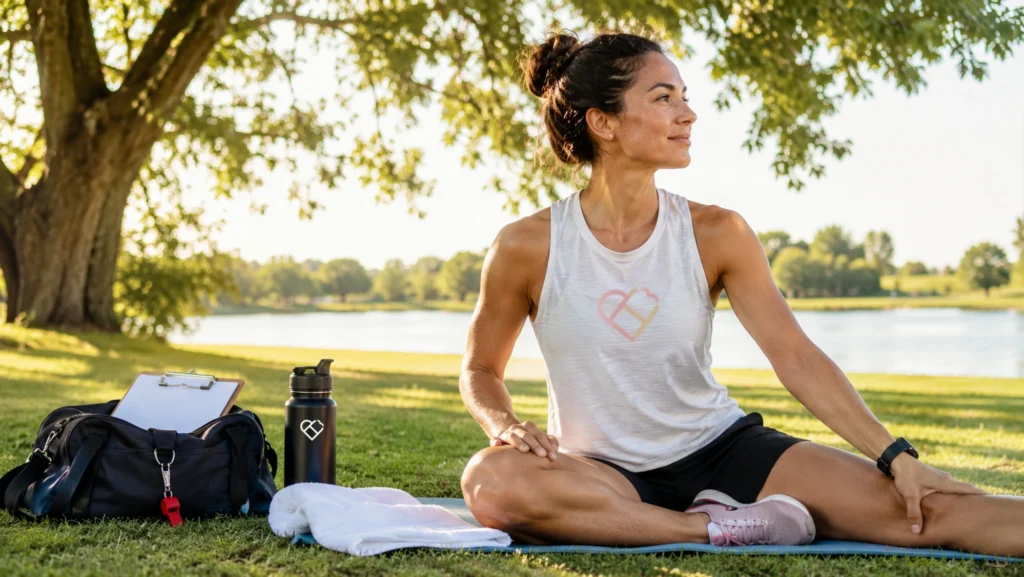
Summer break is not just a pause in the school calendar—it is a critical recovery window for Physical Education teachers. After a year of high physical output, constant supervision, and emotional labor, the body and brain need intentional recovery. Research on educator burnout and occupational fatigue consistently shows that structured rest improves cognitive performance, emotional regulation, and long-term job satisfaction. Why Summer Recovery Matters PE teachers experience a unique blend of physical and mental fatigue. Studies in occupational health indicate that prolonged physical exertion combined with decision fatigue can elevate cortisol levels and reduce overall well-being. Without proper recovery, this can carry into the next school year, increasing burnout risk. A 2022 study in the Journal of Occupational Health Psychology found that employees who psychologically detached from work during extended breaks reported significantly higher energy levels and job engagement upon return. For PE teachers, this means stepping away from lesson planning, assessments, and even fitness tracking tied to work. 1. Prioritize True Psychological Detachment It is not enough to simply stop going to school—you need to mentally disconnect. This aligns with recovery theory, which emphasizes that mental disengagement is essential for restoring cognitive resources. 2. Shift from Performance to Enjoyment-Based Movement PE teachers often associate movement with instruction, assessment, or performance metrics. Summer is an opportunity to reconnect with intrinsic motivation. Example: Instead of running structured drills, join a casual pickup game or go paddleboarding with friends. 3. Rebuild Physical Recovery Habits Ironically, PE teachers may neglect structured recovery during the school year. Sleep research shows that even small improvements in sleep quality can significantly enhance mood, immune function, and energy levels. 4. Invest in Non-Teaching Identity Burnout is strongly linked to identity overextension—when your sense of self is too tied to your profession. This diversification of identity has been shown to improve resilience and reduce stress-related fatigue. 5. Reflect Lightly, Not Strategically Reflection can be helpful, but summer is not the time for intensive curriculum redesign. Cognitive science suggests that insight often emerges during low-pressure, diffuse thinking states—not structured planning sessions. 6. Gradual Re-Entry in Late Summer Recovery does not mean ignoring the upcoming school year entirely—it means timing your re-engagement. This phased approach prevents the abrupt stress spike that often occurs when teachers return too quickly to full workload. The Bigger Picture Self-care for PE teachers is not indulgent—it is preventative. Sustained physical and emotional demands require intentional recovery cycles. By using summer break strategically, teachers can return not just rested, but more effective, present, and engaged. In the long run, prioritizing summer self-care supports not only teacher well-being but also student outcomes, as energized educators create more positive and impactful learning environments.