
End-of-Year PE Teacher Self-Reflection Survey
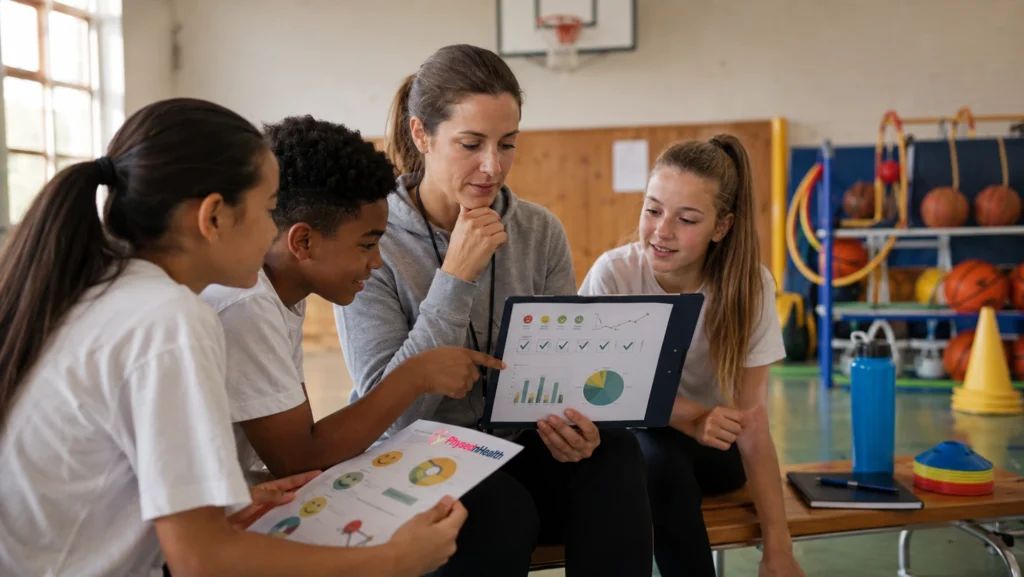
Turn Feedback Into Better Results Self-reflection is one of the most powerful tools a Physical Education teacher can use to improve instruction, student engagement, and long-term program outcomes. Research in educational psychology consistently shows that reflective practice—especially when paired with student feedback—leads to measurable improvements in teaching effectiveness and student motivation. As the 2025–2026 school year closes, this is the ideal moment for PE teachers to step back, analyze what worked, and build a data-informed strategy for the year ahead. Why Self-Reflection Matters in PE Reflective teaching is grounded in evidence from cognitive science and pedagogy. Studies show that teachers who engage in structured reflection are more likely to: In Physical Education specifically, reflection helps teachers evaluate not just skill development, but also student attitudes toward movement, confidence, and lifelong fitness behaviors. The Role of Student Feedback Student voice is a critical component of effective reflection. Research indicates that students can reliably report on: When combined with teacher self-assessment, this creates a more complete picture of program effectiveness. Example: A PE teacher may feel a unit on fitness circuits was successful, but student feedback might reveal confusion about expectations or lack of perceived relevance. This gap is where improvement happens. Building an Effective PE Self-Reflection Survey A strong PE teacher self-reflection survey should include both teacher prompts and student feedback questions. It should be short, structured, and aligned with measurable outcomes. Teacher Self-Reflection Prompts Student Feedback Questions Use a mix of Likert-scale questions (e.g., 1–5 ratings) and open-ended responses to balance quantitative and qualitative insights. Turning Data Into Strategy Collecting data is only valuable if it informs action. After reviewing survey results: This process mirrors continuous improvement models used in education and aligns with evidence-based teaching practices. Practical Example A middle school PE teacher finds that: Strategy for next year: This targeted approach ensures that reflection leads to meaningful change, not just observation. Final Thought End-of-year reflection is not just a professional exercise—it is a strategic tool. By combining teacher insight with student feedback, PE educators can create more engaging, inclusive, and effective programs that promote lifelong physical activity. A well-designed PE teacher self-reflection survey turns experience into evidence—and evidence into action.