
Why PE Is One of the Most Powerful Classrooms for Teaching Life Skills and Self‑Regulation
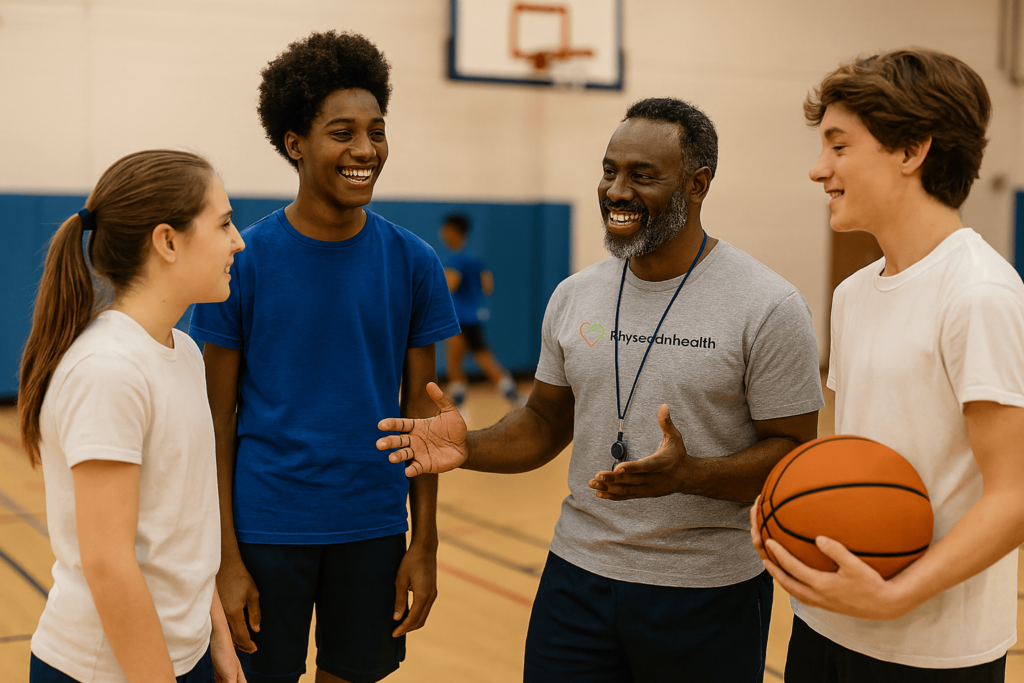
PE Is More Than Movement—It’s a Laboratory for Life Skills Physical Education has always been about more than games, laps, and skill drills. Today, research is catching up to what great PE teachers have known for decades: the gym is one of the most effective environments for teaching self-regulation, resilience, and emotional intelligence. Unlike traditional classrooms, PE places students in dynamic, emotionally charged situations—competition, teamwork, frustration, excitement, and rapid decision-making. These moments create natural opportunities for students to practice the skills that shape their success far beyond school. And the science behind it is compelling. The Science of Self-Regulation—and Why PE Is the Ideal Training Ground Self-regulation is the ability to manage thoughts, emotions, and behaviors in pursuit of a goal. It includes: 1. Physical Activity Strengthens the Brain Systems Responsible for Self-Regulation Research shows that moderate-to-vigorous physical activity (MVPA) enhances: These are the same neural systems students rely on to stay focused in class, solve problems, and navigate social situations. Movement increases blood flow to the prefrontal cortex—the brain’s “control center”—and releases neurochemicals that support attention, mood regulation, and learning. In other words, every rep in PE is also a rep for the brain. 2. PE Provides Real-Time Emotional Challenges Self-regulation isn’t learned through lectures—it’s learned through experience. PE naturally creates moments where students must: These are not hypothetical scenarios. They’re authentic, emotionally charged moments that mirror real life. 3. Social Interaction Builds Empathy and Self-Control Team activities require students to: These interactions strengthen social-emotional skills that transfer directly to classrooms, relationships, and future workplaces. 4. Structured PE Routines Reinforce Behavioral Regulation Warm-ups, rotations, stations, cooldowns—these predictable structures help students practice: These are foundational life skills that support academic success. Evidence-Based PE Practices That Build Self-Regulation PE teachers already use strategies that align with the science of self-regulation, including: • Goal Setting Students learn to set personal goals, monitor progress, and adjust effort—core components of self-regulation. • Reflection and Feedback Post-activity reflection helps students connect physical experiences to emotional and cognitive growth. • Choice and Autonomy Offering activity options increases intrinsic motivation and strengthens decision-making skills. • Cooperative Challenges Group tasks require communication, patience, and emotional control. • Mind-Body Integration Breathing exercises, mindfulness, and cooldowns teach students how to regulate physiological responses. When these practices are intentional and consistent, PE becomes a powerful engine for whole-child development. How PhysEdnHealth Helps Teachers Bring This Science to Life While the science is clear, the challenge for teachers has always been the same: How do we measure, track, and reinforce self-regulation in a meaningful, scalable way? That’s where PhysEdnHealth is already transforming classrooms. PhysEdnHealth supports self-regulation development by: Teachers using PhysEdnHealth report that students become more aware of their behaviors, more invested in their goals, and more capable of managing emotions during challenging activities. In other words, the platform turns the science of self-regulation into daily practice—without adding workload for teachers. The Future of PE Is Evidence-Based, Student-Centered, and Whole-Child Focused Self-regulation is one of the most important predictors of long-term success. PE is one of the most powerful places to teach it. And PhysEdnHealth is helping schools make that impact visible, measurable, and sustainable. If we want students who can focus, adapt, persevere, and thrive, we don’t need to look further than the gym. We just need the right tools to capture the growth that’s already happening. Try PhysednHealth here.