
The Future of Physical Education 2026: Technology, Strategies, and Trends
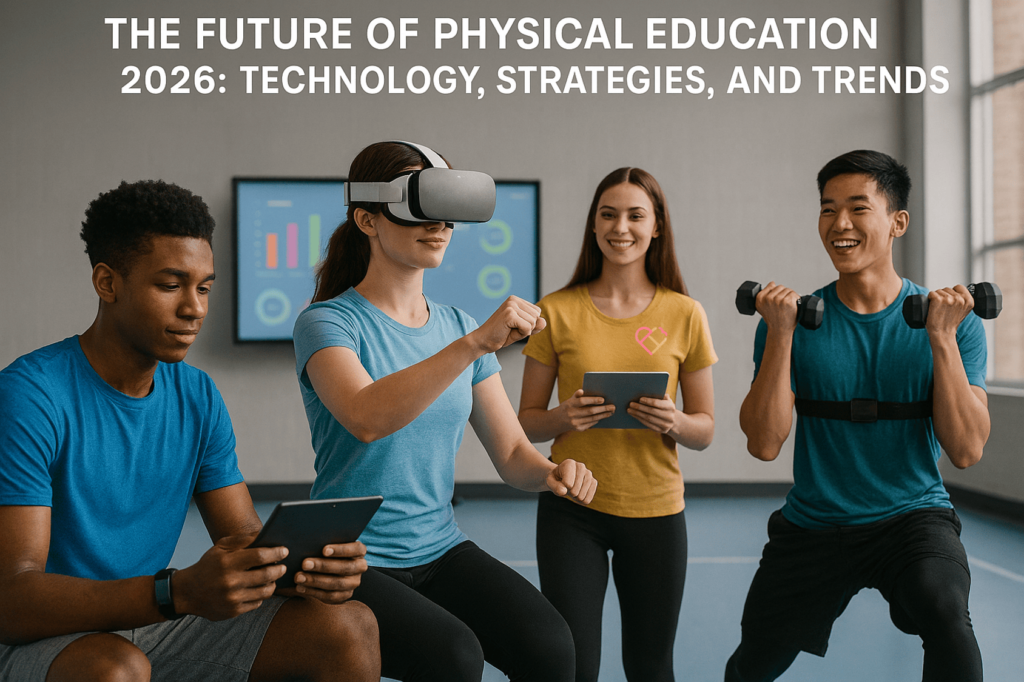
As we approach the 2025-2026 school year, Physical Education (PE) in the USA is undergoing a radical transformation. Gone are the days when “gym class” was solely about lap running. By 2026, PE is predicted to be a data-informed, inclusive, and technology-rich discipline focused on holistic wellness and lifelong movement identity. Based on emerging reports from industry leaders like SHAPE America and themes from upcoming 2026 conferences, here is a fact-based look at the predictions for K-12 Physical Education. 1. Technology: From “Cool Tools” to Integrated Systems In 2026, technology in PE moves beyond novelty to become the backbone of personalized instruction. The “scattershot” approach of using random apps is being replaced by consolidated ecosystems 1. 2. Strategies: “Playground to Purpose” The pedagogical shift for 2026 is defined by the theme of the upcoming ECIS Physical Education Conference: “From Playground to Purpose.”. The goal is to transition students from unstructured play to intentional, lifelong health habits 4. 3. Types of Activities: The Rise of Lifestyle Fitness The curriculum of 2026 favors activities that students can pursue for decades over traditional team sports that often end after high school. Trending Activities for 2026: Activity Type Examples Why It’s Trending Hybrid/Virtual Fitness VR Boxing, Peloton-style in-class cycling Meets “digital natives” where they are; reduces performance anxiety. Lifestyle Sports Pickleball, Rock Climbing, Hiking, Disc Golf High transferability to adult life; encourages community interaction. Gamified HIIT “Four Corner Fitness”, “Sports Mania” High-intensity interval training (HIIT) keeps heart rates up with short, engaging bursts of activity 6. Mindful Movement Yoga flows, Tai Chi, “Build it Wreck it” Balances high energy with emotional regulation and spatial awareness. 4. The Data-Driven Future By 2026, the “black box” of PE grading will be fully opened. Assessments will likely move away from raw athletic metrics (e.g., “run a 7-minute mile”) toward competency-based models 7. Conclusion The physical education classroom of 2026 is a high-tech, emotionally intelligent hub of wellness. By leveraging AI for personalization, adopting inclusive strategies, and focusing on lifestyle activities, educators are preparing students not just for a grade, but for a lifetime of healthy movement. Close your loops for $29. Get your January rosters and assessments set up in minutes. Start the $29 Plan | Download the Title IV Funding Guide