
Why PE Teachers Should Communicate More with Parents: Building Essential Partnerships for Student Success
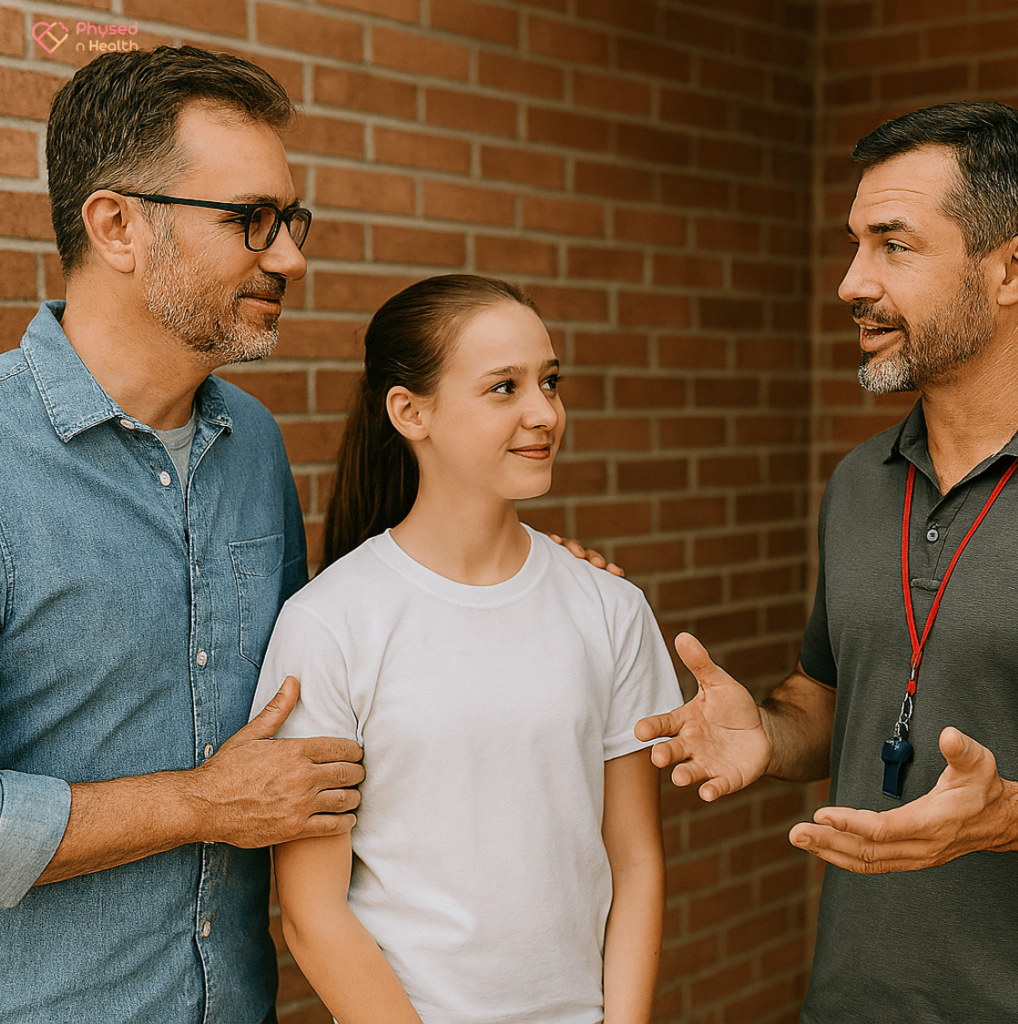
Parents should know their child’s physical education teacher just as well as they know their math or language arts teacher. Physical education is a vital academic subject that promotes physical, mental, and social development, yet many parents remain disconnected from their child’s PE experience. This disconnect undermines the potential benefits of quality physical education programming and creates barriers to student success. The Importance of Parent-PE Teacher Communication Physical education encompasses far more than traditional sports and fitness activities. Modern PE programs focus on developing physically literate individuals who possess the knowledge, skills, and motivation to maintain active lifestyles throughout their lives. PE classes teach motor skills, social responsibility, teamwork, fair play, and physical fitness while improving mental health, cognitive function, and academic performance1 2 3. Strong parent-teacher communication creates a supportive network that enhances student learning and development. When parents are engaged in their child’s PE experience, students show improved participation, better skill development, and increased motivation to be physically active both in school and at home. Research indicates that parental encouragement significantly impacts children’s physical activity levels, with the probability of engaging in physical activity increasing by 156% when parents encourage sports participation 4 5 6. Why Many Parents Don’t Know Their PE Teachers Several barriers contribute to the disconnect between parents and PE teachers: 1. Marginalization of Physical Education PE teachers often experience professional marginalization, with their subject being viewed as less academic than core subjects. This perception leads to reduced parent engagement, as families may not prioritize PE in the same way they do math or reading. Parents may refer to PE as “gym class” rather than recognizing it as an academic subject taught by certified educators7 8 9. 2. Limited Communication Opportunities Traditional school communication structures often favor core academic subjects. Parent-teacher conferences may allocate minimal time to PE discussions, and progress reports frequently lack detailed information about PE learning objectives and student achievement. PE teachers typically have larger class sizes and see hundreds of students per week, making individual parent communication more challenging. 3. Parental Assumptions and Past Experiences Many parents base their understanding of PE on their own school experiences, which may not reflect modern, research-based physical education practices. Negative childhood experiences with PE can create lasting impressions that influence how parents view their child’s physical education. 4. Professional Fears and Constraints PE teachers face unique challenges regarding physical contact with students and potential liability concerns. These fears can create barriers to building relationships with families, as teachers may become overly cautious about interactions both with students and parents. Benefits of Strong PE Teacher-Parent Communication Research demonstrates multiple benefits when PE teachers and parents maintain regular communication: Enhanced Student Performance Students whose parents are engaged in their PE experience show improved skill development, increased participation, and better attitudes toward physical activity. When parents understand PE goals and reinforce learning at home, students are more likely to transfer skills from school to recreational settings. Improved Program Advocacy Parents who understand the value and goals of quality PE programming become advocates for maintaining and expanding physical education resources. This advocacy is crucial as schools face budget pressures and curriculum demands that may threaten PE programs. Better Home-School Connection Communication helps parents understand how to support their child’s physical development at home. Parents learn about fundamental movement skills, fitness concepts, and age-appropriate activities that complement school learning. Increased Family Physical Activity When parents understand PE concepts and goals, they are more likely to engage in physical activities with their children, creating positive family health habits. Effective Communication Strategies for PE Teachers 1. Proactive Introduction and Program Overview PE teachers should introduce themselves and their programs at the beginning of each school year through multiple channels: 2. Regular Progress Communication Maintain consistent communication about student progress through: 3. Educational Outreach Help parents understand modern PE through: 4. Individual Student Conferences Schedule regular opportunities for one-on-one communication: Communication Templates for PE Teachers Beginning of Year Introduction Letter Template Dear [School Name] Families,I am excited to introduce myself as your child’s Physical Education teacher for the [school year]. My name is [Name], and I have been teaching PE for [years] because I believe every child deserves to develop the skills, knowledge, and confidence to lead a physically active lifestyle.**Our PE Program Goals:**- Develop fundamental movement skills and motor competency- Foster positive attitudes toward physical activity and fitness- Teach social skills including teamwork, cooperation, and sportsmanship- Promote health-related fitness concepts and personal wellness**How You Can Support Your Child:**- Encourage participation in all activities, regardless of skill level- Emphasize effort and improvement over winning- Ask your child about what we’re learning in PE class- Provide appropriate PE clothing and footwear- Support home physical activity and family fitness time**Communication:**I welcome your questions and input throughout the year. You can reach me at [email] or [phone]. I will send home monthly newsletters highlighting our units of study and suggesting activities you can do as a family.I look forward to working with you to help your child develop a lifelong love of physical activity!Sincerely,[PE Teacher Name] Monthly Newsletter Template [Month] PE Newsletter – [Teacher Name]**This Month in PE:**We are focusing on [skill/unit] where students are learning [specific objectives]. Students have been working on [specific skills] and showing great progress in [areas of improvement].**Spotlight on Learning:**[Highlight specific learning objectives and how they connect to lifelong fitness]**Home Connection:**Try these activities at home to reinforce our PE learning:- [Activity 1 with brief description]- [Activity 2 with brief description]- [Activity 3 with brief description]**Student Success Stories:**[Brief positive highlights about student effort, improvement, or achievement]**Upcoming Events:**[List any PE-related events, assessments, or special activities]**Questions for Family Discussion:**- What did you learn in PE this week?- How did you challenge yourself during activities?- What movement skills do you want to practice at home?Contact me with questions: [contact information] Individual Progress Communication Template Dear [Parent/Guardian Name],I wanted to reach out to share some positive feedback about [Student Name]’s progress in Physical Education.**Areas of Strength:**[Specific examples of student success, effort, or improvement]**Learning Goals:**We are currently working on