
How PE Teachers Can Curb the Kindergarten Tantrum Crisis
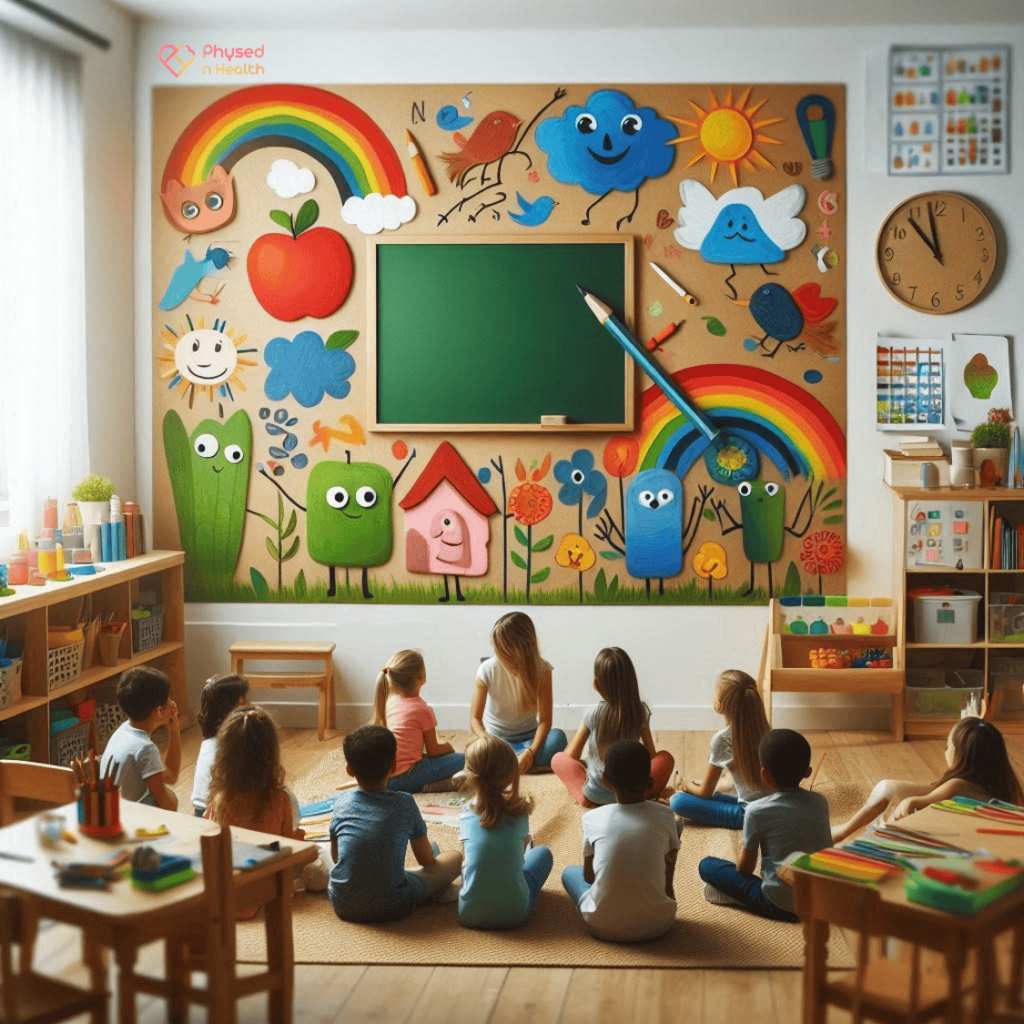
Recent reports across the country indicate a dramatic surge in kindergarten tantrums and emotional dysregulation, with educators describing an unprecedented increase in crying, yelling, shutting down, and explosive behaviors among five and six-year-olds. Teachers report that students show significantly more difficulty with social-emotional skills including following directions, sharing, and taking turns compared to just five years ago. While post-pandemic effects continue to influence these behaviors, this crisis demands immediate, collaborative action from the entire school community. Physical education teachers, with their unique expertise in movement-based interventions and behavior management, are positioned to be key partners in developing comprehensive solutions1 2. Understanding the Root Causes Kindergarteners today face multiple challenges that contribute to their emotional dysregulation. The shift toward more academic-focused kindergarten programs has moved away from self-directed play, asking 4–6-year-olds to sit quietly for extended periods when they’re not developmentally ready. Additionally, many incoming students lack exposure to structured group settings, having missed crucial preschool socialization experiences. Research shows that family instability, including household changes and disrupted routines, significantly contributes to kindergarten behavior problems. These factors create a perfect storm where children enter school without the emotional regulation skills needed for classroom success3. The Power of Movement-Based Interventions Physical activity serves as a powerful tool for managing student behavior and supporting emotional regulation. Research demonstrates that movement-based interventions can significantly improve executive function, attention, and behavioral control in young children. Cognitively engaging physical activities, such as games that require following complex instructions or adapting movements, show the largest effect sizes for improving kindergarten behavior. Movement breaks help interrupt negative behavioral patterns, provide sensory regulation opportunities, and support the development of self-control skills that are essential for classroom success 4. Collaborative Strategies Between PE and Classroom Teachers 1. Integrated Sensory Break Programming PE teachers can work with classroom educators to design structured sensory break schedules throughout the school day. These breaks should be brief (3-5 minutes) and incorporate activities that provide specific sensory input to help students reset and refocus. Effective sensory breaks include5: Movement-Based Activities: Transition Activities: PE teachers can train classroom staff on implementing these activities and provide ongoing support to ensure consistency across all learning environments. 2. Collaborative Behavior Management Systems PE teachers can contribute to school-wide behavior management by aligning their gymnasium expectations with classroom norms. This involves developing consistent language, procedures, and consequences that support the broader school behavior plan. Key collaborative elements include7: Shared Expectations Framework: Communication Systems: 3. Interdisciplinary Teaching Models Research supports collaborative teaching approaches that integrate physical education with academic content. PE teachers can partner with classroom educators using several effective models: Station Teaching Model: Team Teaching Approach: 4. Emotion Regulation Through Movement PE teachers can collaborate with classroom educators to implement movement-based emotional regulation strategies. These approaches help kindergarteners develop self-awareness and coping skills through physical activity: Emotional Regulation Activities: Calm-Down Movement Protocols: 5. Professional Development and Training Successful collaboration requires ongoing professional development for both PE and classroom teachers. Joint training sessions can focus on: Shared Learning Opportunities: Cross-Training Programs: Implementation Timeline and Assessment Phase 1: Foundation Building (Weeks 1-4) Phase 2: Program Launch (Weeks 5-12) Phase 3: Expansion and Refinement (Weeks 13-24) Measuring Success Effective collaboration between PE and classroom teachers should result in measurable improvements in several key areas: Behavioral Outcomes: Academic Benefits: Social-Emotional Growth: Creating Sustainable Systems Long-term success requires building sustainable systems that extend beyond individual teacher efforts. Schools should consider: Administrative Support: Family and Community Engagement: Continuous Improvement: Addressing Implementation Challenges While collaboration between PE and classroom teachers offers significant benefits, schools must address potential obstacles: Time and Scheduling Constraints: Different Teaching Philosophies: Resource Limitations: The kindergarten tantrum crisis requires immediate, comprehensive action that leverages the unique strengths of all educators. By partnering PE teachers with classroom educators, schools can create powerful, movement-based interventions that address the root causes of emotional dysregulation while building students’ long-term success skills. This collaborative approach not only supports struggling kindergarteners but also creates a more positive, effective learning environment for all students. The time for action is now – our youngest learners depend on educators working together to provide the support, structure, and movement opportunities they need to thrive. Looking to fundraise? Visit WellPledge to start your campaign today! Learn more at PhysednHealth. Contact us at awesome@physednhealth.com PhysednHealth is a leading physical education and student wellness technology platform designed to help schools modernize PE with smart, standards-based tools. Our easy-to-use physical education software empowers teachers to track student progress, set SMART fitness goals, and promote mental and physical well-being. Trusted by educators worldwide, PhysednHealth brings data-driven insights, AI-powered assessments, and personalized learning to PE programs—helping students build lifelong healthy habits.