
Creating Psychologically Safe Physical Education Classrooms
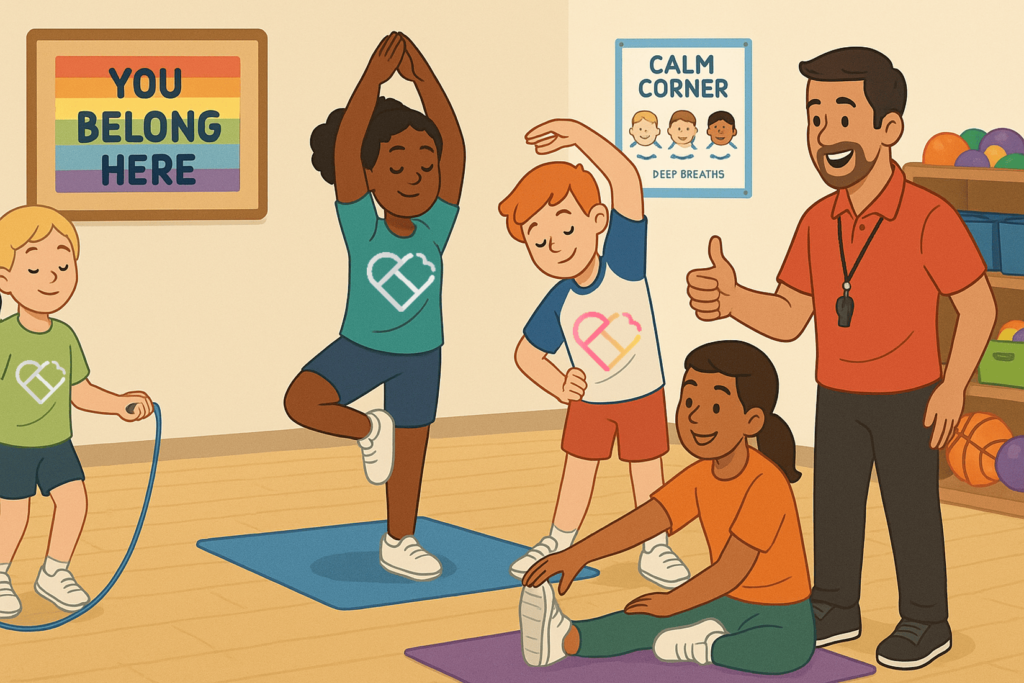
An in-depth, trauma-informed guide for PE teachers Psychological safety is the gateway to meaningful movement, genuine connection, and lifelong well-being. When students feel secure enough to take interpersonal risks—asking a question, admitting a fear, or trying a new skill—they unlock deeper engagement and stronger learning outcomes in physical education (PE)1 2. This article unpacks the science of trauma, translates research into practice, and offers PE-specific strategies for cultivating classrooms where every learner feels safe, seen, and ready to move. Why Psychological Safety Matters in PE Physical education places students in situations—public performance, physical contact, locker-room vulnerability—that can magnify shame, fear, and past trauma triggers3 4. Without a climate of trust, these stressors suppress curiosity, increase avoidance, and erode the very goals of PE: skill development, teamwork, and joyful activity5 6. Understanding Childhood Trauma What Counts as Trauma? A traumatic experience is any frightening, dangerous, or violent event that threatens a student’s life or a loved one’s life, whether witnessed directly, observed through media, or relayed in vivid detail. Common examples include gun violence, abuse, natural disasters, and sudden loss7. How Trauma Manifests at School In both in-person and virtual settings, trauma may surface as aggression, withdrawal, hyper-vigilance to sounds (e.g., whistles, buzzer), lapses in attention, tardiness, or drastic changes in hygiene and grooming 8. Cognitive impacts—impaired memory, slower processing, limited executive function—can lower PE performance and class participation. Unique Stressors in PE Settings PE Context Potential Trauma Trigger Amplifying Factors Protective Moves Locker-room change Forced exposure of body Body shame, cultural modesty norms Private changing stalls; flexible uniforms9 Physical contact sports Unexpected touch, collisions Prior abuse, fight-or-flight activation Consent-based pairing; clear opt-out pathways10 11 Loud equipment & whistles Sudden sounds link to past violence Hyper-arousal Visual cues before whistles; rhythmic clapping alternatives12 Public performance Fear of ridicule Low self-efficacy Skill stations; mastery-oriented feedback Core Principles of Trauma-Informed PE 1. Safety First Predictable routines, visible schedules, clear entry/exit procedures, and consistent coaching language reduce uncertainty. 2. Relationship & Belonging Daily check-ins, name use, and genuine curiosity about students’ lives build trust. 3. Choice & Voice Offering activity options, role rotations, and self-paced goal setting restores agency lost through trauma. 4. Cultural Responsiveness Adapting activities to respect dress codes, religious observances, and collective versus individual competition styles prevents marginalization. 5. Strength-Based Framing Highlighting effort, resilience, and small wins counters shame and nurtures competence. 6. Regulation Through Movement Repetitive, rhythmic activities—jump-rope, dribbling, jogging—soothe the amygdala and ready the brain for learning. Eight-Step Framework for PE Teachers 1. Prepare the Environment 2. Greet & Ground 3. Warm-Up for Regulation 4. Explain with Clarity 5. Offer Structured Choice 6. Coach Mistakes as Data 7. De-escalate with Tools 8. Reflect & Refer Evidence-Driven Strategies Matrix Trauma Sign in PE Immediate Teacher Action Longer-Term Adjustment Flinches at ball throw Offer softer foam ball; teach chest-catch progression Gradually increase ball density as confidence grows Refuses team play Provide individual skill station; invite friend pairing Use cooperative non-elimination games to rebuild trust Fixates on scoreboard Shift focus to personal best chart; praise effort stats Introduce self-referenced goals; integrate mindfulness Sudden emotional outburst Guide to Calm Corner; model 4-7-8 breath Build a personal regulation plan with student and counselor Building Class Culture Team Rituals Inclusive Language Replace… With… “Guys, hustle!” “Team, let’s move together!” “Stop whining.” “Let’s find what your body needs right now.” Culturally Responsive Moves Monitoring Psychological Safety Tool Frequency Data Point Action 5-item anonymous survey Monthly “I feel safe to ask for help” rating Discuss trends in student council Post-class Exit Ticket Daily Emoji mood Adjust next lesson intensity Reflective Journals Weekly Self-efficacy note Share feedback loop with student Collaboration & Referral Pathways Teacher Self-Care Trauma-informed work can evoke vicarious stress. Schedule micro-breaks, practice personal grounding exercises, and seek peer debriefs to sustain empathy without burnout. Case Scenarios Scenario A: The Silent Sprinter Maria sprints flawlessly in solo drills yet refuses relays. A confidential conversation reveals past bullying around dropped batons. Strategy: pair Maria with a trusted friend, use no-drop “bean-bag relay,” celebrate each successful hand-off with a class clap. Scenario B: The Locker-Room Panic Jaden freezes when the class moves indoors during thunderstorms. Link discovered: Jaden experienced a tornado in grade two. Strategy: offer noise-canceling headphones, allow Jaden to choose position near exits, and preview indoor-session sounds beforehand. Frequently Asked Questions How do I balance high expectations with psychological safety? Maintain challenging skill targets but separate worth from performance: “Your value here is constant; effort earns progress points”. What if a student’s behavior threatens others’ safety? Use non-negotiable safety rules, de-escalate first, and apply logical, trauma-sensitive consequences—never public shaming or exclusion. Conclusion When PE teachers weave predictability, choice, cultural honor, and compassionate coaching into every lesson, they convert gymnasiums into havens of growth. Trauma-informed, psychologically safe PE does more than improve motor skills—it restores agency, fosters resilience, and positions movement as a lifelong ally for every student. See how PhysednHealth can serve as a digital platform for activities log, setting SMART goals, reflection, and gratitude journaling. Contact us at awesome@physednhealth.com! PhysednHealth is a leading physical education and student wellness technology platform designed to help schools modernize PE with smart, standards-based tools. Our easy-to-use physical education software empowers teachers to track student progress, set SMART fitness goals, and promote mental and physical well-being. Trusted by educators worldwide, PhysednHealth brings data-driven insights, AI-powered assessments, and personalized learning to PE programs—helping students build lifelong healthy habits.