
Preparing for the Upcoming School Year: A Comprehensive Guide for PE Teachers
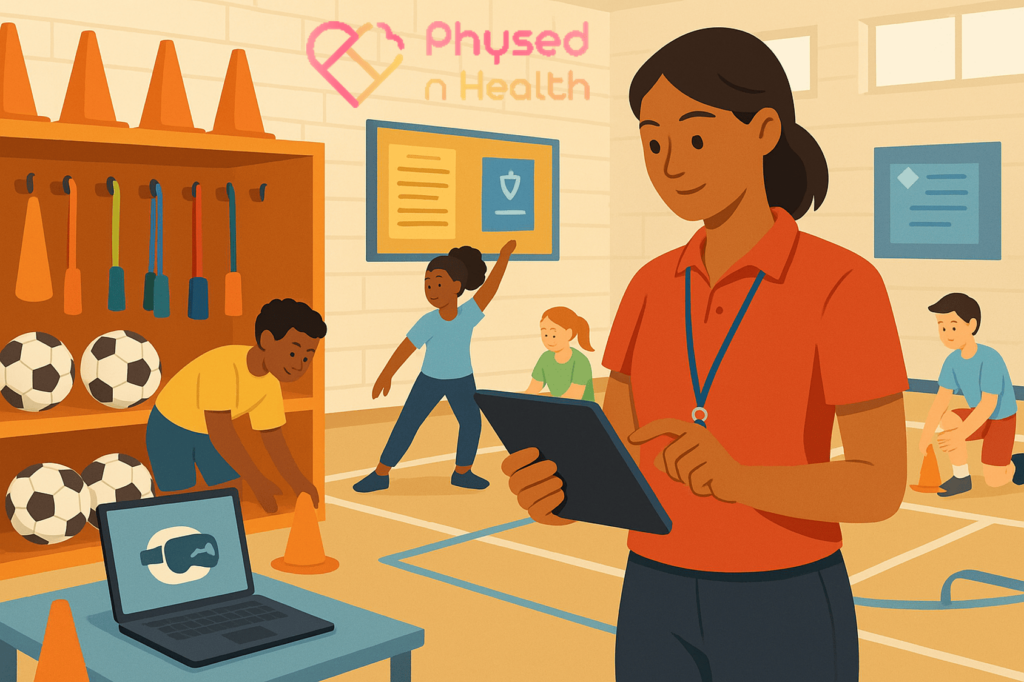
Physical education teachers face unique challenges as they prepare for the upcoming school year in 2025. With budget constraints continuing to impact programs, declining student fitness levels, and evolving educational trends, PE teachers must be strategic and resourceful in their approach. This comprehensive guide provides essential strategies, emerging trends, and budget-conscious solutions to help PE teachers create effective, inclusive, and engaging programs for their students. Essential Pre-School Year Preparation Building Classroom Culture and Routines The foundation of a successful PE program begins with establishing clear routines and building positive relationships with students. PE teachers should dedicate the first twelve weeks of the school year to establishing routines and building community, as this takes longer than traditional classroom subjects due to limited class time and the unique demands of physical education. Key preparation steps include: Equipment and Facility Management Proper equipment organization and facility safety are crucial for effective PE instruction. Teachers should conduct comprehensive equipment inventories and perform facility safety inspections before the school year begins. Essential facility and equipment considerations: Emerging Trends in Physical Education Technology Integration Technology integration represents one of the most significant trends shaping PE education in 2025. Technology can enhance student engagement, provide personalized learning experiences, and improve understanding of complex movements. Key technological innovations include: Inclusive and Differentiated Instruction Creating inclusive PE environments has become increasingly important, with emphasis on serving students with diverse abilities and backgrounds. Inclusive PE strategies focus on cooperation rather than competition, offer choice and variety, and differentiate instruction to meet all students’ needs. Inclusive teaching strategies include: Mental Health and Wellness Focus The connection between physical activity and mental health has gained renewed attention, with research showing that physical education significantly enhances students’ psychological well-being1516. PE programs are increasingly integrating mental health components, including mindfulness practices and stress management techniques. Budget-Conscious Strategies Creative Equipment Solutions Budget constraints continue to challenge PE programs, but creative solutions can help teachers maximize their resources. PE teachers can implement numerous activities requiring minimal or no equipment while still providing quality instruction. Cost-effective approaches include: Grant and Funding Opportunities Numerous grant opportunities exist specifically for physical education programs. The Carol M. White Physical Education Program (PEP) grants provide federal funding for PE programs, while local and state grants offer additional funding sources. Funding strategies include: Community Partnerships Building relationships with community organizations can provide resources, expertise, and additional programming opportunities. Successful partnerships require determining partner needs, discussing mutual benefits, and providing quality outcomes. Partnership opportunities include: Student Engagement and Motivation Evidence-Based Motivation Strategies Student engagement in PE depends heavily on supporting their psychological needs for autonomy, competence, and relatedness. Mastery-oriented climates that emphasize personal improvement over competition are more effective at promoting long-term engagement. Effective motivation strategies include: Addressing Diverse Learning Needs Differentiated instruction is crucial for engaging all students in PE. Teachers must recognize that students have varying fitness levels, cultural backgrounds, and learning preferences. Differentiation strategies include: Professional Development and Support Continuous Learning Opportunities Professional development is essential for PE teachers to stay current with best practices and emerging trends. Online professional development opportunities are becoming increasingly popular due to their flexibility and accessibility. Professional development opportunities include: Addressing Teacher Burnout Teacher burnout is a significant concern, with 90% of educators reporting burnout as a serious problem. PE teachers face unique stressors related to facility management, safety concerns, and limited resources. Burnout prevention strategies include: Safety and Risk Management Facility Safety Protocols Safety must be the top priority in all PE programs. Teachers should conduct daily safety inspections and maintain clear emergency procedures. Safety protocols include: Student Safety Education Students must be educated about safety expectations and procedures. This includes proper equipment use, activity-specific safety rules, and injury reporting procedures. Safety education components include: Conclusion As PE teachers prepare for the upcoming school year, success depends on strategic planning, creative resource management, and a commitment to student-centered instruction. Despite budget constraints and evolving challenges, PE teachers can create engaging, inclusive, and effective programs by embracing technology trends, building community partnerships, and focusing on student motivation and wellness. The key to thriving in today’s educational environment lies in balancing traditional PE values with innovative approaches, maintaining safety as the highest priority, and continuously seeking professional development opportunities. By implementing these strategies and staying current with emerging trends, PE teachers can provide students with the foundation for lifelong physical activity and wellness. Remember that physical education plays a crucial role in students’ overall development, contributing not only to physical fitness but also to mental health, social skills, and academic achievement. With thoughtful preparation and strategic implementation, PE teachers can create programs that truly make a difference in their students’ lives while navigating the challenges of limited resources and evolving educational demands. Looking to fundraise? Visit WellPledge to start your campaign today! Learn more at PhysednHealth. Contact us at awesome@physednhealth.com PhysednHealth is a leading physical education and student wellness technology platform designed to help schools modernize PE with smart, standards-based tools. Our easy-to-use physical education software empowers teachers to track student progress, set SMART fitness goals, and promote mental and physical well-being. Trusted by educators worldwide, PhysednHealth brings data-driven insights, AI-powered assessments, and personalized learning to PE programs—helping students build lifelong healthy habits.