
Stronger Together: How Schools and Health Orgs Improve Student Wellness
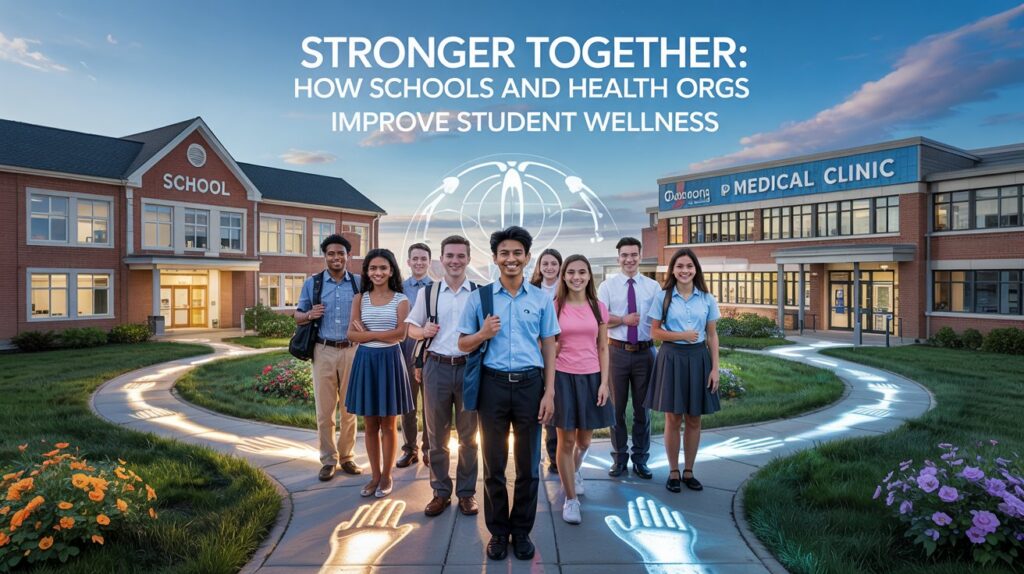
Why Strategic Partnerships in School Physical Education Matter More Than Ever As childhood obesity rates reach alarming levels and physical inactivity continues to rise, schools are uniquely positioned to make a difference. With over 98% of children attending school daily, strategic partnerships in school physical education represent a high-impact, low-cost solution to promote lifelong wellness. By collaborating with local health organizations, schools can amplify their health education efforts, improve student fitness, and foster long-term community engagement. The Current Health Landscape for School-Age Children In several states, youth overweight and obesity rates exceed 40%. Schools, where children spend a majority of their waking hours, are on the frontlines of this public health crisis. According to the CDC, children need at least 60 minutes of physical activity daily, and school PE programs play a crucial role in meeting this standard. But they can’t do it alone. Why Physical Education Programs Need More Support Despite their potential, many school PE programs are underfunded and understaffed. Key barriers include: These challenges open the door for local health organizations to step in and collaborate, offering a win-win for schools and communities alike (link). The Evidence is Clear: These Partnerships Work Studies prove that school-health partnerships drive real results. One standout model is the Assess, Identify, Make it happen (AIM) process, which helped schools implement an average of 4.4 sustainable changes—compared to only 0.6 in control schools. Beyond physical health, these collaborations boost student focus, academic performance, and mental well-being. They also build students’ health literacy—a critical life skill in today’s world. Real-World Models of Successful Collaboration Here’s how others are making it happen: How Schools Can Start Building Effective Partnerships 1. Assess Your Needs and Readiness 2. Find the Right Health Partners 3. Establish Clear Communication and Integration How Health Organizations Can Drive Impact in Schools Strategic Planning and Resource Allocation Implement Evidence-Based Practices Measure and Communicate Results Common Challenges—and Smart Solutions Challenge: Competing prioritiesSolution: Link physical activity to academic benefits Challenge: Resource constraintsSolution: Focus on low-cost, high-impact strategies Challenge: Leadership turnoverSolution: Create formal agreements and embed policies Challenge: SustainabilitySolution: Build internal school capacity and long-term funding streams Sustainability Starts with Smart Strategy For long-term success, partnerships must go beyond programs—they need to become part of the system. That means: Final Thoughts: Building Healthier Futures Together Strategic partnerships in school physical education are not just a trend—they are a transformative opportunity. By joining forces, schools and local health organizations can amplify impact, share resources, and help students build the foundation for a healthier, more active life. Now is the time to act. Start small, think long-term, and build a partnership that makes student wellness a shared community mission. See how PhysednHealth can serve as a digital platform for activities log, setting SMART goals, reflection, and gratitude journaling. Contact us at awesome@physednhealth.com! PhysednHealth is a leading physical education and student wellness technology platform designed to help schools modernize PE with smart, standards-based tools. Our easy-to-use physical education software empowers teachers to track student progress, set SMART fitness goals, and promote mental and physical well-being. Trusted by educators worldwide, PhysednHealth brings data-driven insights, AI-powered assessments, and personalized learning to PE programs—helping students build lifelong healthy habits.